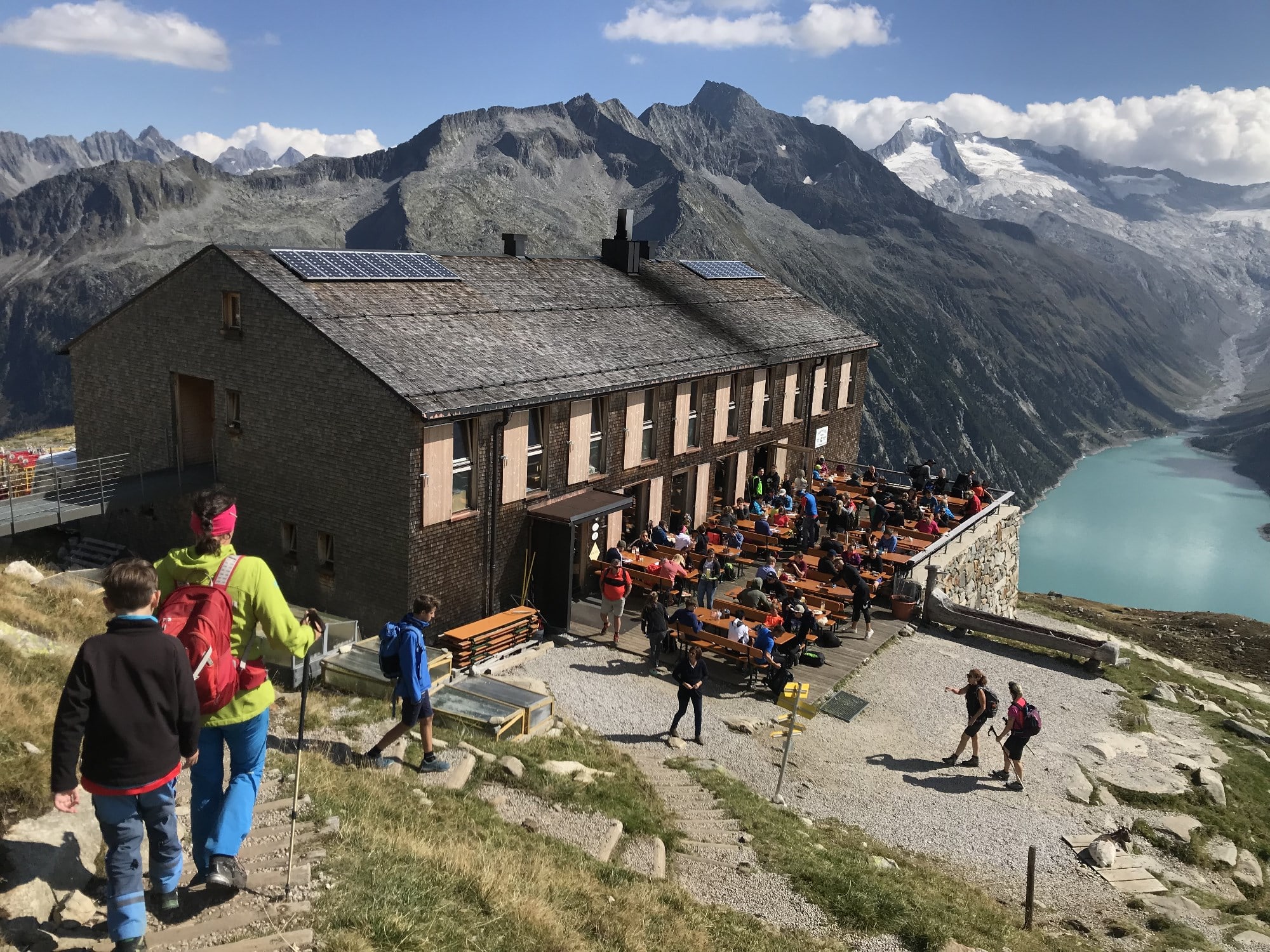
Vom Schlegeis Speicher wandern in den Zillertaler Alpen - schöne Wanderungen mit Kindern.
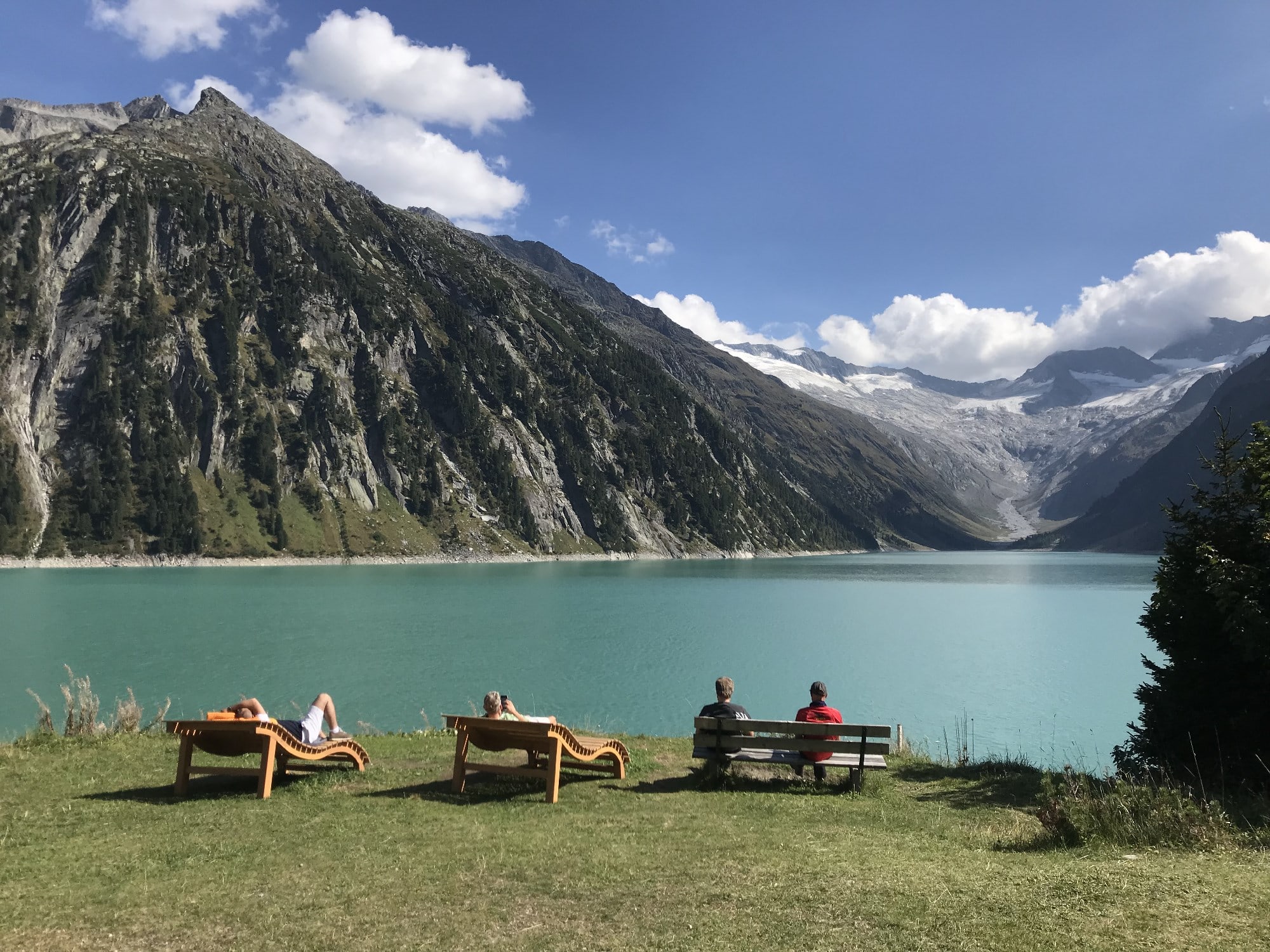
The Schlegeis Reservoir
What You Should Know About the Schlegeis Reservoir
The Schlegeis Reservoir (often called Schlegeis Stausee) is one of the most popular destinations in the Zillertal valley. Built between 1965 and 1971, it has a maximum water capacity of 126.5 million cubic meters, making it one of the largest reservoirs in Austria.
The lake reaches a maximum depth of 59 meters, which fluctuates throughout the year depending on the water levels. The 131-meter-high dam wall is the most prominent visible feature of the lake. However, the entire hydropower system also includes miles of underground tunnels hidden inside the mountains. This artificial lake is nestled deep in the upper Zillertal valley, high above the mountaineering village of Ginzling. The larger nearby towns in the Zillertal Alps are Finkenberg and Mayrhofen. The Schlegeis Reservoir is a high-alpine lake in Tyrol, located right on the border with South Tyrol (Italy).
It is arguably the most famous reservoir in the Zillertal valley—if not the entire Alps. Media attention has triggered a massive boom in visitor numbers. Photos of the suspension bridge framing the glacier have gone viral on social media, putting it on par with other famous hotspots like the Partnach Gorge, Lake Gosau, or Hallstatt. Even major public television networks have broadcasted reports about it.
Interestingly, the massive success of this Zillertal suspension bridge was entirely unplanned. It was a complete coincidence. The bridge was simply built as a practical part of the hiking trail to help hikers safely cross the Riepenbach stream. Thanks to viral social media posts, thousands of people now want to visit. On this website, I will show you the bridge, but I will also reveal everything else that makes a trip to the Schlegeis Reservoir worthwhile.
My Personal Perspective on the Schlegeis Reservoir
I live close by in Tyrol and have always loved exploring these mountains long before the social media hype began. I created this website after many people asked me for insider tips about the Zillertal reservoir. As a local insider, I want to share my personal experiences and show you the area in a way that official tourism boards and typical influencers won’t. I have gathered all the essential practical information you need for your trip right here. Have a great time reading and exploring!
How to Get to the Schlegeis Reservoir
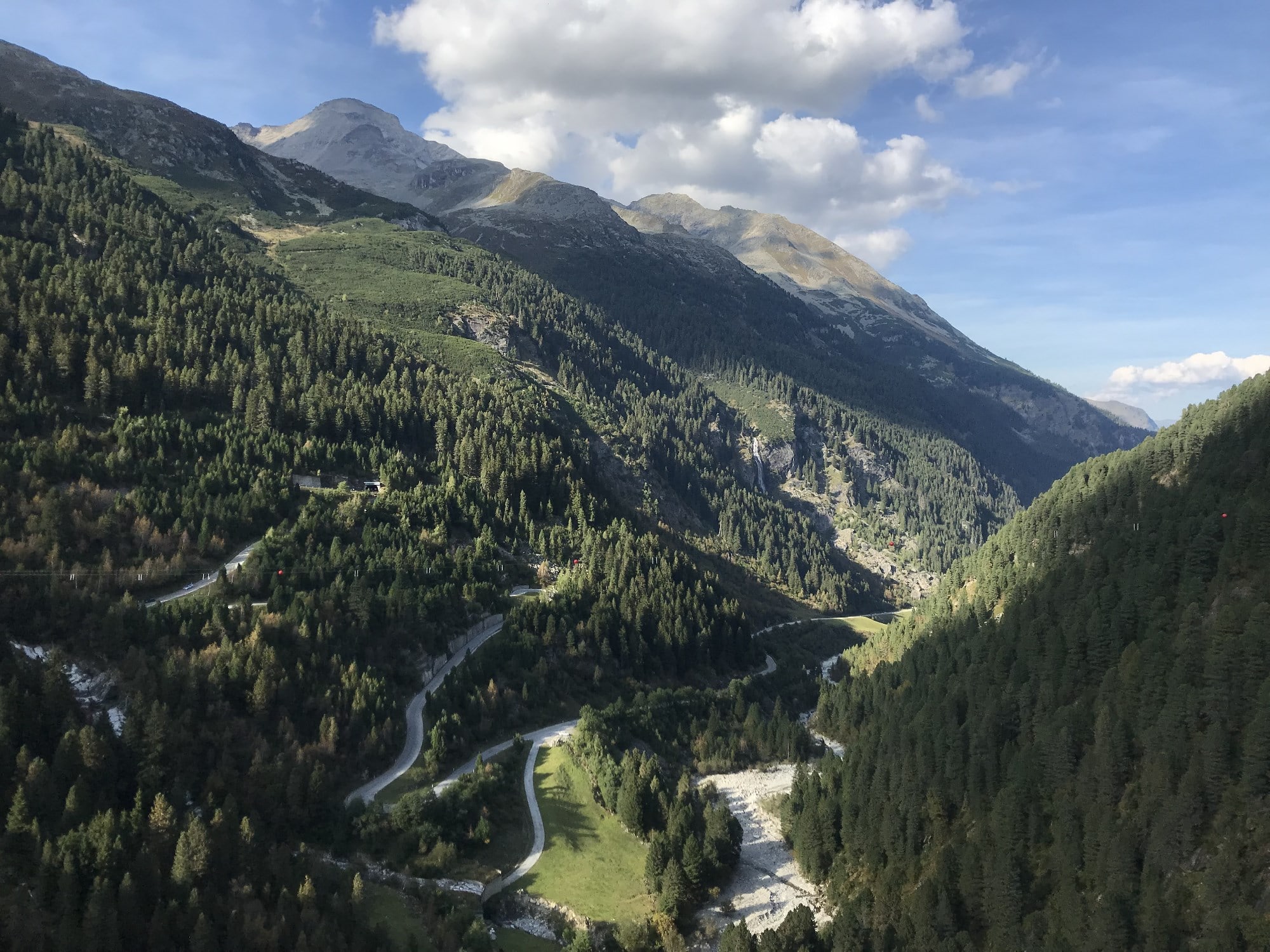
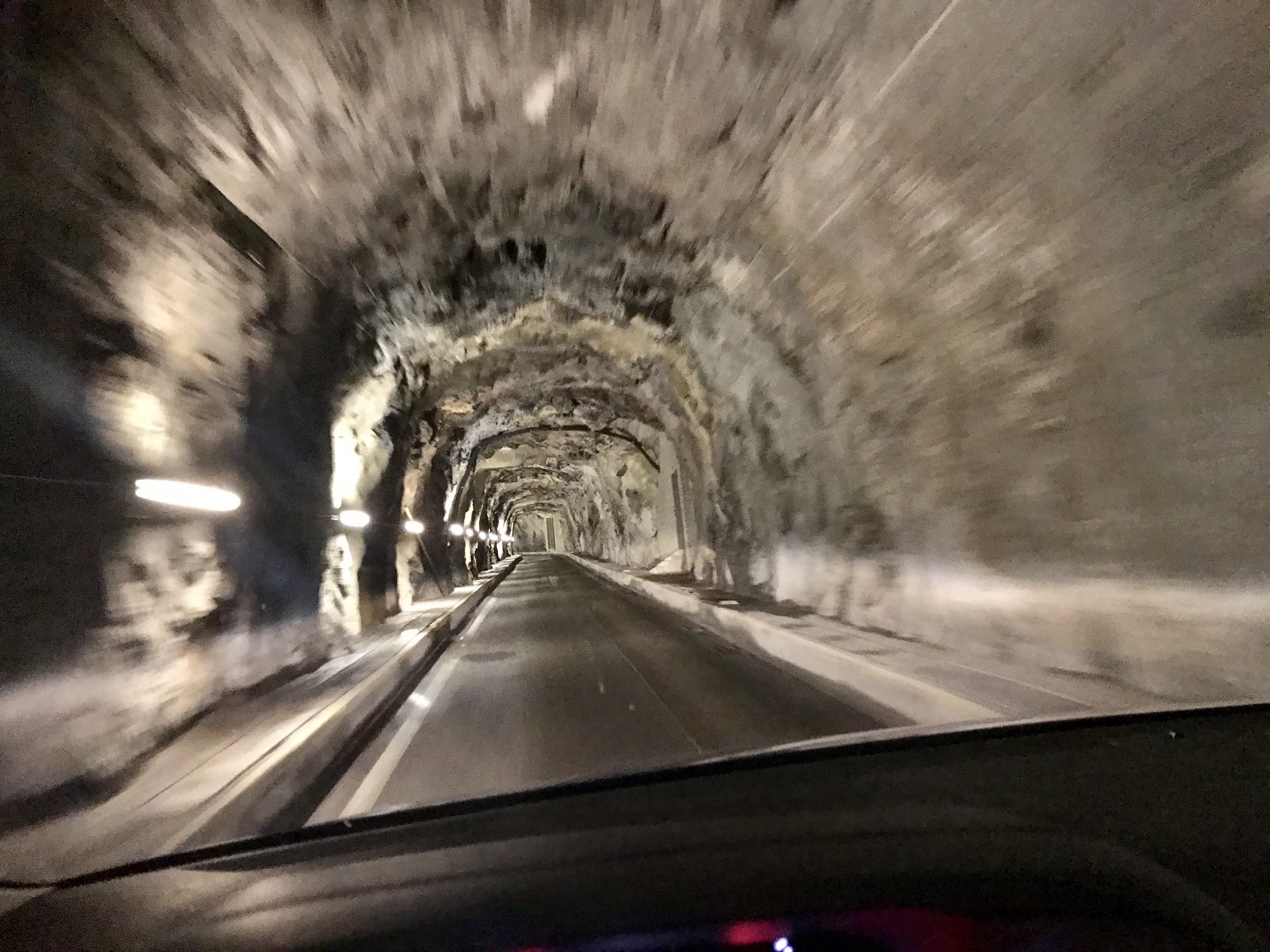
Unlike the famous Kaprun reservoirs, you can drive your own vehicle all the way up to the Schlegeis Reservoir. It is fully accessible by private car or public bus via a narrow mountain pass. The Schlegeis Alpine Road is an experience in itself. It is beautifully rugged and has been preserved in its historical state rather than being turned into a wide modern highway. Carved directly into the rock faces of the Zillertal Alps, it offers an adventurous drive through natural stone tunnels.
The road begins at Gasthof Breitlahner and climbs 800 vertical meters over 13.3 kilometers, navigating eight hairpin turns and four stone tunnels. Due to the tight clearances, vehicles are limited to a maximum height of 3.60 meters and a length of 13 meters. Sections of the road are single-lane only, with traffic regulated by traffic lights, which can cause short wait times.
The road is quite narrow, especially inside the historical tunnels. Because it is a high-alpine road, it operates under strict seasonal opening hours and is blocked by a barrier when closed. Make sure to check the operating hours before your trip, because if the road is closed, there is no way up to the lake!
–> how to get to the Schlegeis Reservoir
Can I park at the Schlegeis Reservoir?
Yes, parking at the Schlegeis Reservoir is possible. Once you reach the top, you will find the parking areas. Please note that parking can be very difficult during peak season. Around midday, everyone wants to be at the lake at the same time, and spaces run out quickly. There are several different lots available depending on which hike you plan to do:
–> Where to Park at the Schlegeis Reservoir
Schlegeis Reservoir Opening Hours
Nature dictates the schedule up here. The Schlegeis Alpine Road is only open during the snow-free summer months, and severe mountain weather can cause short-term closures. Always check the current status before driving up the valley so you don’t end up standing in front of a closed gate:
–> Current Schlegeis Opening Hours
The Massive Dam
Standing 131 meters tall and stretching 725 meters long, the Schlegeis dam wall is a monumental engineering masterpiece that also protects the entire Zillertal valley from flooding. Right by the dam, you will find the parking lots and various walking paths. You can enjoy a relaxed stroll across the top of the dam or walk along the lakeshore. The terrain is flat enough that even a stroller-friendly mountain walk is possible here. For a unique look behind the scenes of clean energy generation, you can join a guided tour that takes you straight inside the heart of the concrete wall.
–> Everything About the Schlegeis Dam
The Olpererhütte Bridge
The Olpererhütte bridge is the absolute main attraction for most visitors to the Schlegeis Reservoir. Suspended over the Riepenbach stream at an elevation of 2,389 meters, it delivers a spectacular view of the turquoise water, the surrounding glaciers, and the towering 3,000-meter peaks. It has become one of the most iconic photo spots in the Alps, drawing countless Instagrammers, TikTokers, and photographers. The bridge offers a unique perspective on the breathtaking alpine landscape and has become a landmark of the Zillertal. What many people don’t realize: there is no road to the bridge. If you want to experience it, you have to earn it by completing a proper mountain hike. Here is what you need to know before you go:
–> Olpererhütte Bridge Guide